
Introduction
Preventive healthcare is becoming more important in the Philippines as more people recognize the value of early detection and regular health monitoring. Instead of waiting for symptoms to appear, Filipinos are now encouraged to undergo routine health screenings to detect potential health issues early.
In 2026, with increasing lifestyle-related diseases such as diabetes, hypertension, and heart conditions, preventive screenings are one of the best ways to stay healthy and avoid costly treatments in the future.
What Are Preventive Health Screenings?
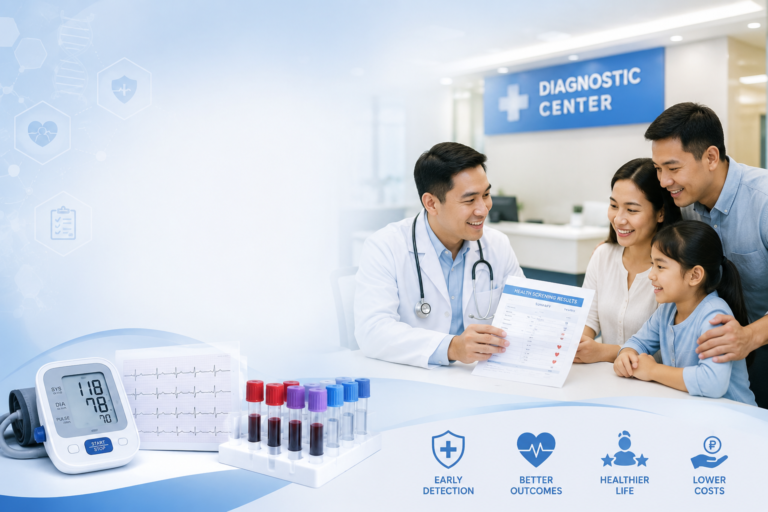
Preventive health screenings are medical tests performed to detect diseases before symptoms appear. These tests help identify risk factors and allow early intervention, improving treatment outcomes and overall health.
Why Preventive Screenings Are Important
Regular screenings can help:
Detect diseases at an early stage
Monitor existing health conditions
Reduce long-term healthcare costs
Improve quality of life
Prevent serious complications
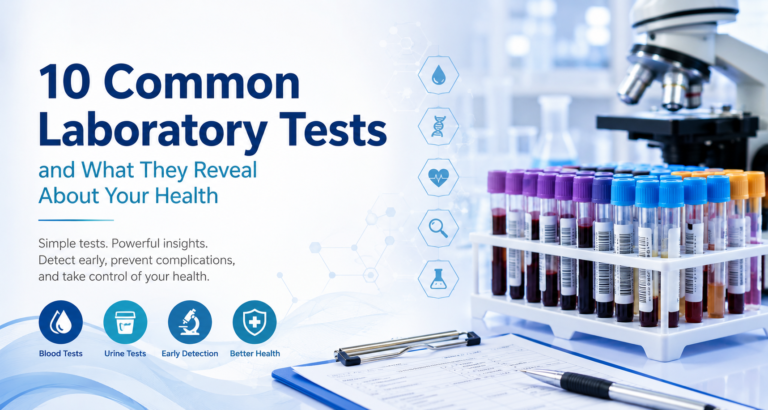
Top Preventive Health Screenings Every Filipino Should Take
1. Complete Blood Count (CBC)
A CBC test evaluates overall health and detects conditions such as anemia, infection, and inflammation. It is one of the most basic and essential tests.
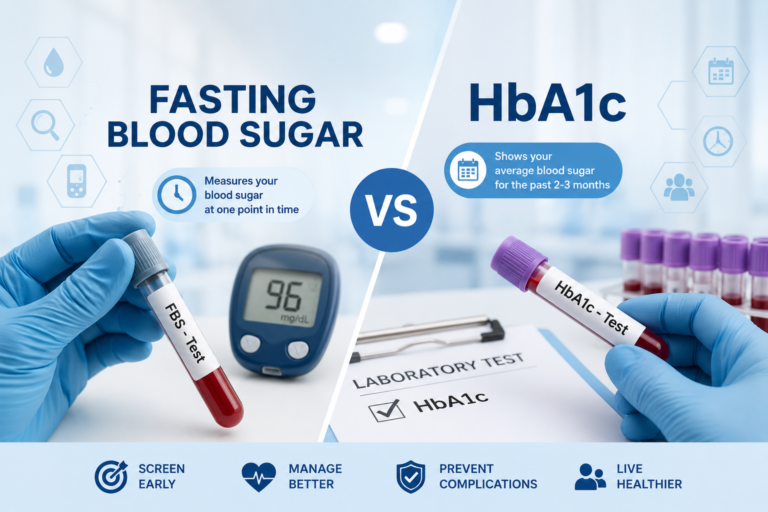
2. Blood Glucose Test (Fasting Blood Sugar)
This test helps detect diabetes or prediabetes. With the rise of diabetes cases in the Philippines, regular monitoring is highly recommended.
3. Lipid Profile (Cholesterol Test)
Measures cholesterol levels and helps assess the risk of heart disease and stroke.
4. Blood Pressure Monitoring
High blood pressure (hypertension) is common among Filipinos and often has no symptoms. Regular monitoring is crucial.
5. Urinalysis
Detects kidney problems, urinary tract infections, and other metabolic conditions.
6. Liver Function Test (LFT)
Evaluates liver health and helps detect liver diseases early.
7. Kidney Function Test
Checks how well your kidneys are working and helps detect early kidney disease.
8. Electrocardiogram (ECG)
Monitors heart activity and detects irregular heart rhythms or heart disease.
9. Chest X-ray
Used to detect lung conditions such as infections, tuberculosis, or other abnormalities.
10. Ultrasound Screening
Helps examine internal organs such as the liver, kidneys, and reproductive organs.
Who Should Get Screened?
Preventive screenings are recommended for:
Adults aged 18 and above
Individuals with a family history of chronic diseases
People with unhealthy lifestyle habits (smoking, poor diet, lack of exercise)
Employees requiring annual physical exams
Seniors who need regular health monitoring
How Often Should You Get Screened?
Basic tests (CBC, urinalysis): once a year
Blood sugar and cholesterol: every 6–12 months
Blood pressure: regularly or as advised by a doctor
Imaging tests: depending on medical recommendation
Always consult a healthcare professional for personalized screening schedules.
Tips Before Undergoing Health Screenings
Fast if required (8–12 hours for some tests)
Stay hydrated
Avoid alcohol before testing
Inform your doctor about medications
Get enough rest
Choosing the Right Diagnostic Clinic
To get accurate and reliable results, choose a clinic that offers:
Licensed healthcare professionals
Modern diagnostic equipment
Fast and accurate results
Clean and safe environment
Convenient location
Conclusion
Preventive health screenings are one of the most effective ways to protect your health in 2026. By taking proactive steps and undergoing regular checkups, Filipinos can detect potential health issues early and live longer, healthier lives.
Investing in your health today can prevent serious medical conditions tomorrow.