 Introduction
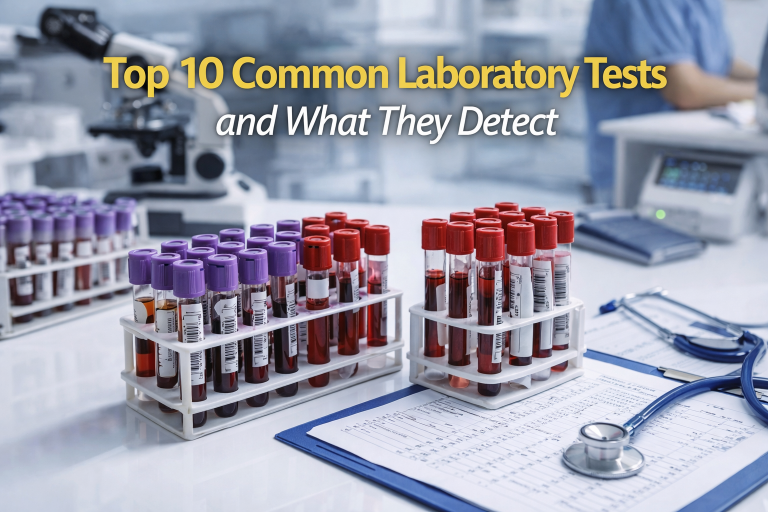
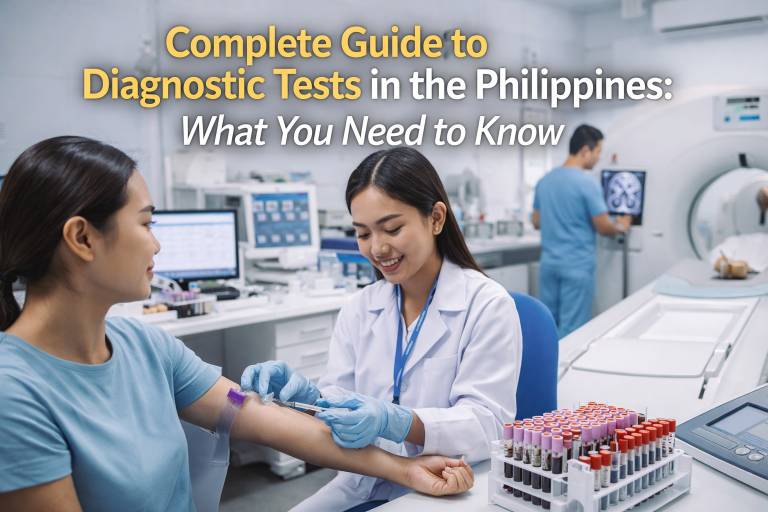
Laboratory tests are essential tools in modern healthcare, helping doctors diagnose, monitor, and prevent diseases. In the Philippines, these tests are commonly used during routine checkups and medical evaluations.
Understanding what each test detects can help you become more informed about your health and make better decisions when consulting your doctor.
1. Complete Blood Count (CBC)
One of the most commonly requested tests, CBC evaluates overall health and detects a wide range of disorders.
Detects:
Anemia
Infections
Blood disorders
2. Blood Glucose Test
This test measures the level of sugar (glucose) in your blood.
Detects:
Diabetes
Prediabetes
Blood sugar imbalances
3. Lipid Profile
A lipid profile measures cholesterol and fats in the blood.
Detects:
High cholesterol
Risk of heart disease
Triglyceride levels
4. Urinalysis
Urinalysis examines urine to detect abnormalities.
Detects:
Kidney problems
Urinary tract infections (UTIs)
Diabetes indicators
5. Liver Function Test (LFT)
This test evaluates how well your liver is working.
Detects:
Liver disease
Hepatitis
Liver damage
6. Kidney Function Test
Also known as renal function tests, these measure kidney performance.
Detects:
Kidney disease
Dehydration
Electrolyte imbalance
7. Thyroid Function Test
This test checks thyroid hormone levels.
Detects:
Hypothyroidism
Hyperthyroidism
Hormonal imbalance
8. Electrolyte Panel
Measures essential minerals in the body.
Detects:
Dehydration
Kidney issues
Imbalance in sodium, potassium, and chloride
9. Pregnancy Test (hCG Test)
This test detects the presence of the pregnancy hormone hCG.
Detects:
Pregnancy
Early pregnancy confirmation
10. Infectious Disease Tests
These tests identify infections caused by bacteria, viruses, or parasites.
Examples:
COVID-19
Dengue
Hepatitis
Detects:
Active infections
Immune response
Why These Tests Are Important
These laboratory tests are essential because they:
Help detect diseases early
Monitor ongoing health conditions
Guide treatment decisions
Support preventive healthcare
When Should You Get Common Laboratory Tests?
You should consider getting tested if:
You feel unusual symptoms
You are undergoing routine health checkups
You have a family history of illness
Your doctor recommends it
Tips Before Taking a Common Laboratory Test
To ensure accurate results:
Follow fasting instructions if required
Avoid alcohol before testing
Stay hydrated (unless instructed otherwise)
Inform your doctor about medications
Conclusion
Laboratory tests are a vital part of maintaining good health. By understanding the most common laboratory tests and what they detect, you can take a proactive approach to your well-being.
Regular testing, combined with professional medical advice, helps ensure early detection and better health outcomes.