
Getting older is a natural part of life, but regular diagnostic tests for seniors become increasingly important as we age. Some health conditions become more common later in life, while others may develop without obvious symptoms. Regular screening and diagnostic testing can help healthcare professionals identify potential concerns and determine whether further evaluation is needed.
For seniors, health screening is not about ordering every available test. The appropriate tests depend on age, sex, medical history, medications, family history, lifestyle, symptoms, and individual risk factors.
Why Are Health Screenings Important for Seniors?
As people age, the risk of certain chronic conditions can increase. Regular healthcare visits provide an opportunity to monitor important health measurements and discuss symptoms or changes that may otherwise be overlooked.
Screening tests are generally performed in people who do not have symptoms to look for a condition early. Diagnostic tests, on the other hand, are used when there are symptoms, abnormal screening results, or another reason to investigate a possible condition.
This distinction is important because an abnormal screening result does not necessarily mean that a person has a disease. Additional testing may be needed to determine what the result means.
Common Health Screenings for Older Adults
The appropriate screening schedule varies from person to person. Some commonly considered assessments include the following.
1. Blood Pressure Check
Blood pressure measurement is a simple but important part of routine healthcare.
High blood pressure may not cause noticeable symptoms, which is why regular measurement can be useful. The U.S. Preventive Services Task Force recommends blood pressure screening for adults and advises confirming a possible diagnosis with measurements outside the clinical setting before treatment is started.
Older adults should discuss their blood pressure results with a healthcare professional, particularly if readings are repeatedly elevated.
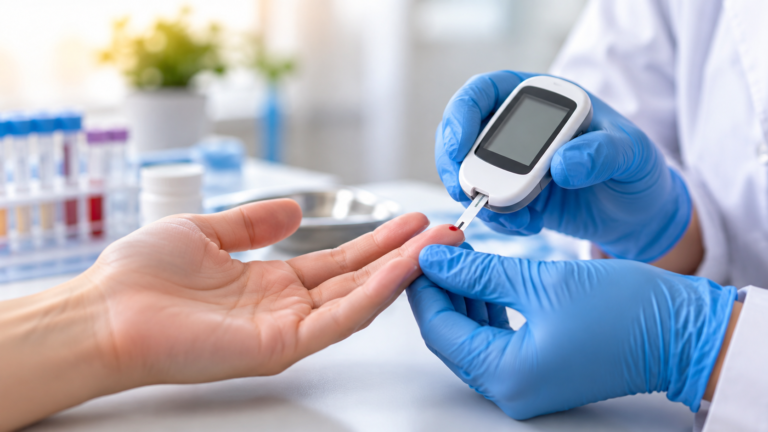
2. Blood Sugar and Diabetes Screening
Blood glucose testing can help identify prediabetes or diabetes.
Common tests include:
Fasting blood glucose
HbA1c
Oral glucose tolerance testing
The appropriate test depends on the individual’s circumstances. For example, the USPSTF recommends screening asymptomatic adults aged 35–70 who have overweight or obesity for prediabetes and type 2 diabetes.
For seniors, blood glucose monitoring may also be recommended more frequently if they have diabetes, risk factors, or previous abnormal results.
3. Cholesterol and Lipid Testing
A lipid profile measures substances such as cholesterol and triglycerides in the blood.
Healthcare professionals may use lipid results together with other information to assess cardiovascular risk and determine whether additional evaluation or treatment may be appropriate.
The frequency of cholesterol testing should be based on individual risk factors and medical advice rather than a one-size-fits-all schedule.
4. Complete Blood Count (CBC)
A complete blood count, commonly called a CBC, measures different components of the blood, including red blood cells, white blood cells, and platelets.
A CBC may be requested when a healthcare professional wants to investigate symptoms such as unusual tiredness, weakness, recurrent infections, or other concerns.
It may also be ordered as part of an evaluation when there is a reason to check for anemia or other blood-related conditions.
5. Kidney Function Tests
Kidney function can be evaluated using blood and urine tests.
Common laboratory measurements may include:
Creatinine
Estimated glomerular filtration rate (eGFR)
Blood urea nitrogen (BUN)
Urinalysis
Urine albumin testing when indicated
Kidney testing may be particularly relevant for people with conditions such as diabetes, high blood pressure, or other risk factors for kidney disease.
6. Liver Function Tests
Liver blood tests may be recommended when a healthcare professional needs to evaluate liver function or investigate symptoms or abnormal findings.
Depending on the situation, testing may include measurements such as ALT, AST, bilirubin, albumin, and other markers.
Liver testing is not necessarily required at every routine checkup. Your healthcare provider can determine whether it is appropriate based on your health history and medications.
7. Bone Health and Osteoporosis Screening
Bone health becomes an important consideration with increasing age because osteoporosis can make bones more vulnerable to fractures.
The USPSTF currently recommends osteoporosis screening for women aged 65 years and older. For postmenopausal women younger than 65, screening may be considered when risk factors indicate an increased risk. The primary screening method referenced in the recommendation is bone mineral density testing with DXA, with or without fracture-risk assessment.
Screening recommendations for men differ because the USPSTF currently considers the evidence insufficient to recommend routine osteoporosis screening for men. Individual risk assessment may still be appropriate.
8. Colorectal Cancer Screening
Colorectal cancer screening is another important consideration as people age.
For adults at average risk, the CDC notes that most people should begin colorectal cancer screening at age 45. The USPSTF recommends screening adults aged 45–75, while screening between ages 76–85 should be considered individually based on factors such as overall health, previous screening history, and personal preferences.
Available screening methods include stool-based tests and examinations that directly evaluate the colon.
People with a family history of colorectal cancer, certain medical conditions, or other risk factors may need a different screening plan.
9. Urinalysis
Urinalysis examines a urine sample for different substances and characteristics.
Depending on the circumstances, it may provide information that helps healthcare professionals investigate urinary symptoms, infections, kidney problems, or other conditions.
A urine test may be requested as part of an evaluation when an older adult experiences symptoms such as changes in urination, pain, blood in the urine, or unexplained changes in health.
10. Vision and Hearing Assessments
Health screening for seniors should not focus only on blood tests.
Vision and hearing can change with age and may affect communication, mobility, independence, and quality of life.
Regular vision and hearing assessments can help identify changes that may benefit from further evaluation or corrective measures.
11. Mental Health and Cognitive Assessment
Mental and cognitive health are also important components of healthy aging.
Healthcare professionals may ask about mood, memory, concentration, sleep, and daily functioning. When concerns are identified, additional assessment may be recommended.
The USPSTF recommends depression screening for adults, including older adults, although screening for cognitive impairment has different evidence and recommendations depending on the population and clinical circumstances.
How Often Should Seniors Get Health Screenings?
There is no single testing schedule that applies to every senior.
The appropriate frequency depends on:
Age
Sex
Family history
Previous test results
Existing medical conditions
Medications
Lifestyle and risk factors
Symptoms
Previous screening history
Recommendations from a healthcare professional
Someone with diabetes, high blood pressure, kidney disease, or a history of abnormal laboratory results may require more frequent monitoring than someone without these conditions.
Screening Tests vs. Diagnostic Tests
It is useful to understand the difference between screening and diagnostic testing.
Screening tests are generally performed when a person does not have symptoms, with the goal of identifying a possible health problem early.
Diagnostic tests are used when a person has symptoms, an abnormal screening result, or another clinical reason for further investigation.
For example, a person may have a routine screening test that produces an abnormal result. The healthcare provider may then order additional diagnostic testing to determine whether the result represents a medical condition.
An abnormal screening result should not automatically be interpreted as a diagnosis.
What Should Seniors Do Before a Health Checkup?
Preparation depends on the tests being performed.
Some blood tests may require fasting, while others do not. Your healthcare provider or diagnostic laboratory should provide specific instructions before your appointment.
Before your health screening:
Ask which tests you will have.
Confirm whether fasting is required.
Follow the laboratory’s preparation instructions.
Bring a list of medications and supplements.
Bring previous laboratory or medical records when requested.
Inform your healthcare provider about existing medical conditions.
Mention any new or unusual symptoms.
If you are unsure whether you should eat, drink, or take medication before a test, ask the healthcare professional or laboratory before your appointment.
Don’t Wait for Symptoms
One reason preventive screening is important is that some health conditions may develop without obvious symptoms.
For example, high blood pressure can occur without noticeable symptoms, and colorectal cancer may not cause symptoms during its early stages. Regular screening can provide an opportunity to identify certain problems before they become more advanced.
However, screening is not a replacement for medical care. Seniors who develop new or concerning symptoms should speak with a healthcare professional rather than waiting for their next routine checkup.
When Should an Older Adult Seek Medical Advice?
Contact a healthcare professional if you experience new or persistent symptoms such as:
Unexplained weight loss
Persistent fatigue or weakness
Changes in bowel or bladder habits
Blood in the stool or urine
Persistent pain
Repeated dizziness or fainting
Changes in vision or hearing
Difficulty with memory or daily activities
Unexplained changes in blood pressure or blood sugar
Some symptoms can have many different causes, so proper evaluation is important.
A Personalized Approach to Healthy Aging
Regular health screening can be an important part of maintaining health and independence as you age. However, more testing is not necessarily better for everyone.
The most appropriate health checks depend on the individual’s medical history, risk factors, symptoms, and previous results. A healthcare professional can help determine which examinations are appropriate and how often they should be performed.
Conclusion
Health screenings become an increasingly important part of preventive care as we get older. Blood pressure checks, blood glucose testing, cholesterol testing, CBC, kidney and liver assessments, bone health screening, colorectal cancer screening, and other evaluations may be appropriate depending on an individual’s health needs.
Regular checkups give seniors an opportunity to monitor important health indicators and discuss changes with their healthcare providers. When a screening result is abnormal, additional diagnostic testing may help determine the underlying cause.
If you or an older family member needs laboratory or diagnostic testing, Sunrise Health Check Diagnostic Center can help provide access to appropriate health screening services. Contact the diagnostic center to learn more about available tests and preparation requirements.
Frequently Asked Questions
What health tests should seniors have regularly?
The appropriate tests vary by age, sex, medical history, risk factors, and previous results. Common assessments may include blood pressure, blood glucose, cholesterol, blood counts, kidney function, and age-appropriate cancer screening.
How often should seniors have blood tests?
There is no universal schedule. Your healthcare provider can recommend testing based on your health history and risk factors.
Should seniors get screened for osteoporosis?
Bone health screening may be appropriate, particularly for women aged 65 and older. The appropriate approach depends on individual risk factors and medical guidance.
When should colorectal cancer screening begin?
For adults at average risk, the CDC recommends beginning colorectal cancer screening at age 45. Recommendations for adults over 75 are individualized.
Do I need to fast before a senior health screening?
Not every test requires fasting. Ask the diagnostic laboratory or healthcare provider about the specific tests included in your appointment.
Are regular health screenings still necessary if I feel healthy?
Preventive screening can be useful even when you feel well because some conditions may not cause noticeable symptoms in their early stages. The appropriate screenings should be discussed with your healthcare provider.






Visit our Website at https://sunrisediagnostic.com.ph/, or our Facebook Page at https://www.facebook.com/sunrisehealthcheck, to learn more about our Services and know about us, and place your order today. We would be happy to assist you!