
Pregnancy is an important time to closely monitor both the mother’s health and the baby’s development. Regular prenatal checkups allow healthcare professionals to monitor pregnancy, identify potential concerns, and provide guidance throughout each stage.
Prenatal care may include physical examinations, laboratory tests, ultrasound examinations, and other assessments depending on the pregnancy and the mother’s individual health needs. The World Health Organization (WHO) recommends routine antenatal care that includes maternal and fetal assessment, screening, preventive care, and health education.
If you are pregnant or planning a pregnancy, understanding some of the common tests can help you know what to expect during your prenatal visits.
What Is a Prenatal Checkup?
A prenatal checkup is a medical appointment during pregnancy where a healthcare professional evaluates the mother’s health and monitors the baby’s development.
The specific tests performed can vary based on:
Stage of pregnancy
Mother’s medical history
Age and health conditions
Pregnancy history
Symptoms or risk factors
Results from previous examinations
Recommendations from the obstetrician or healthcare provider
Not every pregnant woman will need every available test. Your healthcare provider will determine which assessments are appropriate for your pregnancy.
Why Are Prenatal Tests Important?
Prenatal tests can provide valuable information about the health of the mother and developing baby.
Regular prenatal care gives healthcare professionals opportunities to:
Monitor the mother’s blood pressure and general health
Check for anemia and certain infections
Monitor blood glucose
Determine blood type and Rh status
Monitor fetal growth and development
Estimate gestational age
Identify certain pregnancy-related risks
Provide appropriate treatment or follow-up when needed
WHO recommends contacting a healthcare professional early in pregnancy and attending recommended prenatal visits throughout pregnancy.
Common Tests During Pregnancy
1. Complete Blood Count (CBC)
A complete blood count is a common blood test that measures different components of the blood.
During pregnancy, CBC testing may help healthcare professionals assess hemoglobin and other blood components, including information relevant to anemia.
Anemia is one of the conditions routinely considered during antenatal care, which is why hemoglobin testing is included among WHO’s recommended routine blood tests.
2. Blood Type and Rh Factor Testing
Blood typing determines a person’s blood group, while Rh testing identifies whether the blood is Rh-positive or Rh-negative.
Knowing the mother’s blood type and Rh status is an important part of prenatal care. WHO recommends blood group and Rh testing early in pregnancy because Rh-negative women may require additional management to prevent Rh sensitization.
3. Blood Sugar Testing
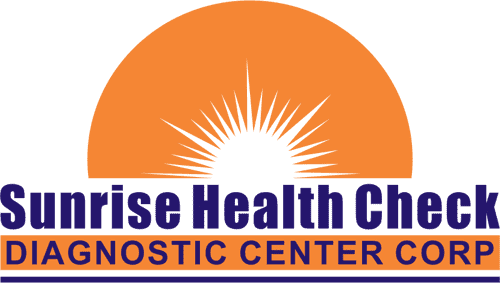
Blood glucose testing may be performed during pregnancy to screen for diabetes, including gestational diabetes.
WHO recommends blood glucose testing for gestational diabetes around 24–28 weeks of pregnancy. The exact test and preparation requirements may vary according to your healthcare provider’s recommendations.
If you are asked to undergo a fasting blood sugar test or an oral glucose tolerance test, make sure to follow the preparation instructions provided by your healthcare professional or laboratory.
4. Urinalysis
Urine testing is another common component of prenatal care.
A urine sample may be examined for different findings, including signs that could indicate a urinary tract problem or other conditions requiring further evaluation.
WHO includes assessment for urinary abnormalities and screening for asymptomatic bacteriuria as part of antenatal care.
Your healthcare provider may request urine testing at different points during pregnancy depending on your circumstances.
5. HIV, Syphilis, and Hepatitis B Screening
Screening for certain infections is an important part of prenatal care.
WHO recommends early screening for HIV, syphilis, and hepatitis B because identifying these infections during pregnancy can allow healthcare professionals to provide appropriate treatment and preventive measures.
Early testing can help healthcare providers make appropriate plans for the health of both mother and baby.
6. Ultrasound
Ultrasound uses sound waves to create images of the pregnancy.
Depending on the stage of pregnancy and the reason for the examination, ultrasound may be used to:
Estimate gestational age
Confirm pregnancy location and viability
Determine the number of fetuses
Monitor fetal development
Assess certain fetal structures
Identify some pregnancy-related concerns
WHO recommends that an ultrasound scan be available before 24 weeks of pregnancy as part of antenatal care.
The timing and number of ultrasound examinations may vary depending on the pregnancy and medical circumstances.
7. Blood Pressure Monitoring
Blood pressure is routinely checked during prenatal visits.
Monitoring blood pressure is important because high blood pressure during pregnancy can be associated with conditions such as preeclampsia.
WHO recommends measuring blood pressure at every antenatal care contact and screening for preeclampsia, including assessment for proteinuria, during pregnancy.
8. Screening for Group B Streptococcus
Group B Streptococcus, commonly called GBS, is a type of bacteria that can be present in the body without causing symptoms.
In some healthcare settings, pregnant women are screened for GBS later in pregnancy. WHO’s antenatal care guidance lists GBS screening at approximately 35–37 weeks.
Your obstetrician will advise you whether this screening is appropriate and when it should be performed.
9. Fetal Growth and Development Monitoring
Prenatal visits are not limited to laboratory tests.
Healthcare professionals may monitor fetal growth, measure the mother’s abdomen or fundal height when appropriate, and assess fetal movements later in pregnancy.
WHO recommends monitoring fetal growth and fundal height after approximately 24 weeks as part of antenatal care.
Prenatal Tests by Trimester
While every pregnancy is different, tests and assessments may generally be organized according to the stage of pregnancy.
First Trimester
During early pregnancy, healthcare providers may recommend:
Blood tests
CBC or hemoglobin testing
Blood type and Rh testing
HIV, syphilis, and hepatitis B screening
Urine testing
Blood pressure measurement
Early ultrasound when appropriate
WHO recommends routine blood testing at the first prenatal contact and an ultrasound before 24 weeks.
Second Trimester
During the second trimester, prenatal care may include:
Continued blood pressure monitoring
Urine testing when indicated
Monitoring maternal weight
Fetal growth assessment
Ultrasound examinations when appropriate
Gestational diabetes screening, commonly around 24–28 weeks
Blood glucose testing during this period is recommended by WHO for screening for gestational diabetes.
Third Trimester
Later pregnancy visits may include:
Blood pressure monitoring
Urine testing when indicated
Monitoring fetal growth
Assessment of fetal movements
Additional blood tests when indicated
GBS screening in settings where it is recommended
The exact schedule depends on the mother’s health, pregnancy history, and recommendations from her healthcare provider.
Do All Pregnant Women Need the Same Tests?
No.
Prenatal testing should be tailored to the individual pregnancy. Some women may need additional laboratory tests, imaging, or specialist assessments because of existing medical conditions, previous pregnancy complications, multiple pregnancy, abnormal screening results, or other risk factors.
An additional test does not necessarily mean there is a serious problem. In many cases, healthcare professionals order further testing simply to obtain more information.
How Should You Prepare for Prenatal Tests?
Preparation depends on the specific examination.
Some tests require no special preparation, while others may require fasting or other instructions.
Before your appointment:
Ask which tests will be performed.
Confirm whether fasting is required.
Follow the laboratory’s instructions carefully.
Tell your healthcare provider about medications and supplements you take.
Bring previous laboratory or ultrasound results when requested.
Keep track of your prenatal appointments.
If you are unsure whether you should eat, drink, or take medication before a test, contact your healthcare provider or diagnostic laboratory before the appointment.
When Should You Seek Medical Attention?
Prenatal checkups are important, but pregnant women should not wait for their next scheduled appointment if they experience concerning symptoms.
WHO advises pregnant women to know where to seek care for warning signs such as vaginal bleeding, severe headache, high fever, abdominal pain, or significant swelling.
If you experience concerning symptoms during pregnancy, contact your healthcare provider or seek appropriate medical care promptly.
Make Prenatal Care Part of Your Pregnancy Journey
Regular prenatal checkups help healthcare professionals monitor changes throughout pregnancy and provide appropriate care when needed. Laboratory testing, ultrasound, blood pressure monitoring, and other assessments each provide different information about maternal and fetal health.
The tests you need will depend on your pregnancy and your healthcare provider’s recommendations. Following your prenatal care schedule and completing recommended examinations can help you stay informed throughout your pregnancy.
Sunrise Health Check Diagnostic Center provides laboratory and diagnostic services that may support prenatal and maternal health screening. If you have been referred for laboratory testing during pregnancy, contact the diagnostic center to confirm the available tests and preparation requirements.
Frequently Asked Questions
When should I have my first prenatal checkup?
It is recommended to contact a healthcare professional as early as possible after confirming pregnancy. Early prenatal care allows appropriate assessment, screening, and planning.
Do I need to fast before prenatal blood tests?
Not all prenatal blood tests require fasting. Some glucose tests may require specific preparation. Always follow the instructions given by your healthcare provider or laboratory.
Is ultrasound safe during pregnancy?
Ultrasound is widely used in prenatal care. WHO recommends an imaging ultrasound before 24 weeks as part of routine antenatal care.
What is the purpose of a prenatal blood test?
Prenatal blood tests can assess areas such as hemoglobin, blood type and Rh status, blood glucose, and certain infections.
Do I need prenatal tests even if I feel healthy?
Yes. Some pregnancy-related conditions may not cause noticeable symptoms, which is why routine prenatal care and recommended screening are important.
Conclusion
Prenatal checkups are an important part of maintaining maternal and fetal health throughout pregnancy. Common assessments may include blood tests, urine tests, blood pressure monitoring, blood glucose testing, infection screening, and ultrasound.
Because every pregnancy is different, your obstetrician or healthcare provider should determine which tests you need and when they should be performed. Regular prenatal care can provide an opportunity to monitor your health, track your baby’s development, and address potential concerns as early as possible.






Visit our Website at https://sunrisediagnostic.com.ph/, or our Facebook Page at https://www.facebook.com/sunrisehealthcheck, to learn more about our Services and know about us, and place your order today. We would be happy to assist you!