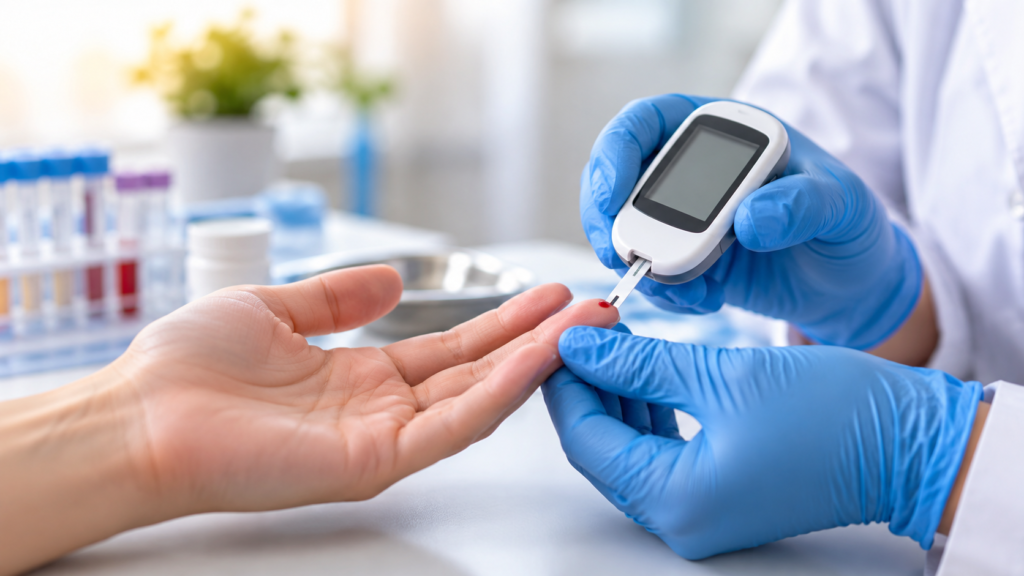
Fasting blood sugar is one of the most common blood tests used to check how much glucose is in your blood after not eating for a certain period. It is often included in routine health checkups and may also be recommended when a doctor wants to evaluate a person’s risk of diabetes or monitor blood glucose levels.
Understanding what a fasting blood sugar test measures, how to prepare for it, and what the results may indicate can help you take a more active role in your health.
What Is Fasting Blood Sugar?
Fasting blood sugar, also called fasting blood glucose, measures the amount of glucose in your blood after you have not eaten or consumed calories for a specified period.
Glucose is an important source of energy for your body. It mainly comes from the food you eat, particularly carbohydrates. The hormone insulin helps your body move glucose from the bloodstream into cells where it can be used for energy.
When the body does not produce enough insulin or does not use insulin effectively, glucose can build up in the bloodstream. Over time, consistently high blood glucose levels may be associated with diabetes and other health concerns.
Why Is a Fasting Blood Sugar Test Done?
A fasting blood sugar test may be performed as part of a routine health examination or when there are concerns about blood glucose levels.
Healthcare professionals may recommend the test to:
Screen for possible diabetes
Identify elevated blood glucose levels
Help assess the risk of developing type 2 diabetes
Monitor blood glucose in people who have already been diagnosed with diabetes
Evaluate blood sugar as part of a general health checkup
A fasting blood sugar test may also be requested alongside other laboratory tests depending on your health history and your doctor’s recommendations.
How Do You Prepare for a Fasting Blood Sugar Test?
Proper preparation can help make sure your test results are as accurate as possible.
Generally, fasting means avoiding food and calorie-containing drinks for a specific period before the blood sample is collected. Your healthcare provider or diagnostic laboratory will tell you exactly how long you should fast.
During the fasting period, plain water is generally allowed. However, drinks such as coffee, milk, soft drinks, juice, and other beverages containing calories may affect the test.
You should also follow any specific instructions provided by your healthcare professional. If you take regular medications, ask your doctor whether you should take them before your test.
What Happens During the Test?
A fasting blood sugar test is a simple blood test.
A healthcare professional will usually:
Confirm that you have followed the required fasting instructions.
Clean the area where the blood will be collected.
Insert a small needle into a vein, usually in your arm.
Collect a small amount of blood into a testing tube.
Remove the needle and apply pressure to the area.
The blood sample is then sent for laboratory analysis.
Some people may experience minor discomfort or a small bruise at the collection site, but the procedure is generally quick.
What Do Fasting Blood Sugar Results Mean?
Fasting blood glucose results are commonly reported in milligrams per deciliter (mg/dL).
For non-pregnant adults, commonly used diagnostic categories include:
Fasting Blood Glucose | General Interpretation |
Below 100 mg/dL | Normal range |
100–125 mg/dL | Prediabetes range |
126 mg/dL or higher | Diabetes range |
These values are based on commonly used diagnostic criteria, but one abnormal result does not necessarily mean that you have diabetes. A healthcare professional may recommend repeating the test or using another test, such as an HbA1c test, to confirm a diagnosis.
Laboratory reference ranges and diagnostic criteria can also vary depending on the situation, so your results should be interpreted together with your medical history and other clinical information.
What Is the Difference Between Fasting Blood Sugar and HbA1c?
Both tests provide information about blood glucose, but they measure different things.
Fasting blood sugar measures your blood glucose level at one specific point in time after fasting.
HbA1c, on the other hand, provides an estimate of your average blood glucose level over approximately the previous two to three months. Unlike fasting blood sugar, an HbA1c test generally does not require fasting.
Doctors may use either test, or both, depending on the reason for testing.
Can Fasting Blood Sugar Detect Diabetes?
Fasting blood sugar can be used as one of the tests for diagnosing diabetes. However, the result should be interpreted by a qualified healthcare professional.
If your fasting blood glucose is elevated, your healthcare provider may recommend additional testing to determine whether the result is related to diabetes, prediabetes, another health condition, medication, or other factors.
What Can Affect Blood Sugar Levels?
Blood glucose levels can be influenced by several factors, including:
This is one reason why following the laboratory’s fasting instructions is important before testing.
How Often Should You Have Your Blood Sugar Checked?
The appropriate frequency of blood glucose testing depends on your age, health history, risk factors, previous test results, and whether you have already been diagnosed with diabetes or another condition.
Some people may have blood glucose testing during an annual health checkup, while others may need more frequent monitoring based on their healthcare provider’s recommendations.
If you have risk factors for diabetes or have been advised to monitor your blood sugar, talk with your healthcare provider about the appropriate testing schedule.
When Should You Consider a Blood Sugar Test?
Consider discussing blood glucose testing with a healthcare professional if you:
Have a family history of diabetes
Have previously had elevated blood sugar
Have been advised to undergo diabetes screening
Are experiencing symptoms that concern you
Are undergoing a routine health examination
Have been diagnosed with diabetes and need monitoring
It is important not to rely on symptoms alone because some people with elevated blood glucose may not notice obvious symptoms.
Get Your Blood Sugar Checked
A fasting blood sugar test is a simple and useful laboratory examination that can provide important information about your blood glucose levels. Understanding your results can help you and your healthcare provider decide whether additional testing or monitoring is needed.
If you have been advised to undergo fasting blood sugar testing, follow the preparation instructions provided by your healthcare professional or diagnostic laboratory.
For laboratory testing and health screening services, Sunrise Health Check Diagnostic Center can help you access the appropriate diagnostic examinations based on your healthcare needs.
Frequently Asked Questions
How long should I fast before a fasting blood sugar test?
The required fasting period depends on the test and your healthcare provider’s instructions. Follow the specific instructions given by your laboratory or doctor.
Can I drink water while fasting?
Plain water is generally allowed during fasting, but follow the instructions provided by your healthcare provider or laboratory.
Can I drink coffee before a fasting blood sugar test?
Coffee and other beverages may affect fasting instructions. Unless your healthcare provider says otherwise, it is safest to follow the laboratory’s instructions and avoid calorie-containing beverages before the test.
Does a high fasting blood sugar always mean diabetes?
No. A single elevated result does not automatically confirm diabetes. Your healthcare provider may recommend repeat testing or another diagnostic test.
Is fasting blood sugar the same as HbA1c?
No. Fasting blood sugar measures glucose at a specific time after fasting, while HbA1c reflects average blood glucose over approximately the previous two to three months.
Can I exercise before a fasting blood sugar test?
Follow the preparation instructions given by your healthcare provider or laboratory. Strenuous exercise before testing may affect some blood measurements.
Conclusion
Fasting blood sugar testing is an important laboratory examination that can help identify elevated blood glucose and support diabetes screening and monitoring. Preparing properly and understanding what the results mean can make the testing process easier and more useful.
If you have questions about your blood sugar levels or which laboratory tests you may need, consult a qualified healthcare professional for personalized advice.