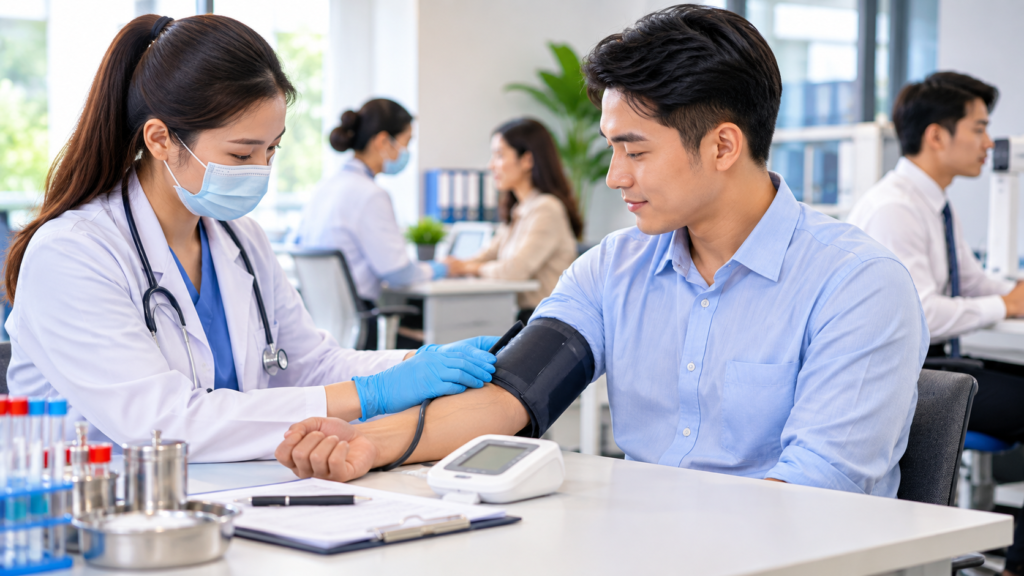
Employees spend a significant part of their lives at work, making workplace health an important part of overall well-being. Regular medical checkups and health screenings can help employees stay informed about their health and give employers an opportunity to support a safer and healthier workplace.
Workplace health programs can include preventive care, medical examinations, health education, and screening services. The World Health Organization (WHO) describes occupational health as an area of public health focused on maintaining and promoting workers’ physical, mental, and social well-being.
What Is a Workplace Medical Checkup?
A workplace medical checkup is a health assessment performed to evaluate an employee’s general health and, when appropriate, identify potential health concerns.
The exact tests included can vary depending on the employee’s age, job responsibilities, workplace hazards, company requirements, and recommendations from a healthcare professional.
A medical checkup may include:
Physical examination
Blood pressure measurement
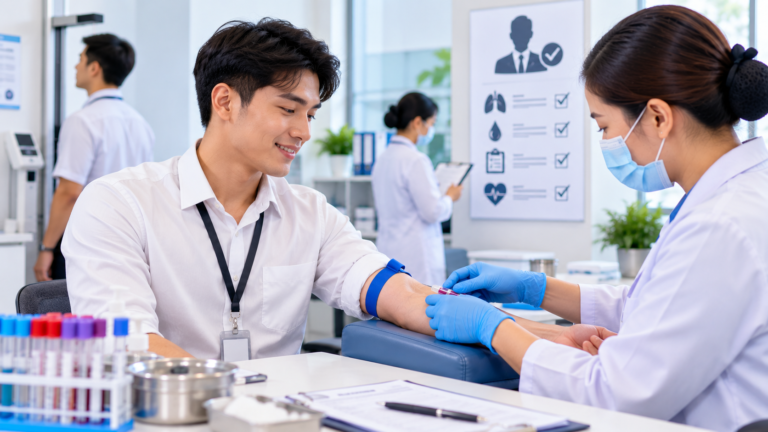
Blood tests
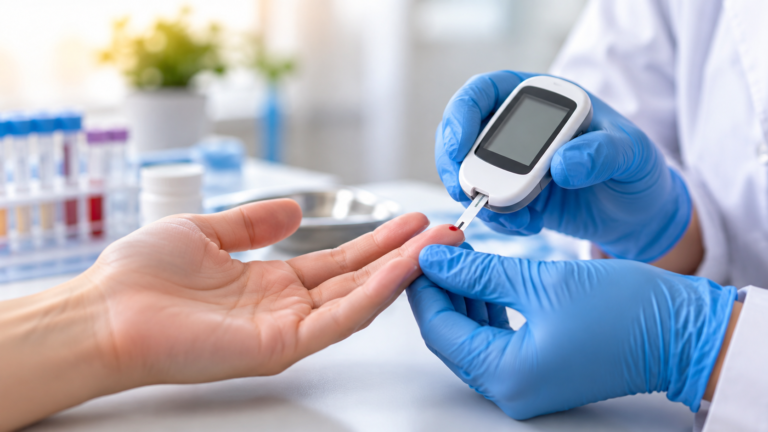
Blood sugar testing
Complete blood count (CBC)
Urinalysis
Cholesterol or lipid testing
Chest or other diagnostic examinations when medically indicated
Health history and lifestyle assessment
Not every employee needs the same tests. A healthcare professional can determine which examinations are appropriate based on the individual’s circumstances and occupational risks.
Why Are Regular Employee Health Screenings Important?
Regular health screening can provide an opportunity to identify certain health concerns before they become more serious. Preventive healthcare commonly includes screening tests designed to detect diseases early, when they may be easier to manage or treat.
For employees, health screenings can help them:
1. Monitor Their Overall Health
Routine examinations provide a snapshot of important health measurements, such as blood pressure, blood glucose, cholesterol levels, and other laboratory results.
Keeping track of these measurements can help employees become more aware of changes in their health.
2. Identify Potential Health Concerns Early
Some health conditions may not cause noticeable symptoms during their early stages. Screening can help identify results that may require further evaluation.
An abnormal result does not automatically mean that a person has a disease. It may indicate the need for repeat testing, additional examinations, or consultation with a healthcare professional.
3. Support Workplace Safety
Some jobs involve exposure to physical, chemical, biological, ergonomic, or psychosocial hazards. Occupational health programs can help identify and address risks associated with work environments.
Depending on the job, health assessments may therefore be an important part of a broader workplace health and safety program.
4. Encourage Preventive Healthcare
Employees may sometimes postpone routine health examinations because of busy schedules or other responsibilities. Providing accessible workplace screening can make preventive healthcare easier to prioritize.
Regular preventive care can include screening, vaccinations, health education, and counseling that support informed health decisions.
5. Help Employees Make Informed Health Decisions
Health screening results can provide useful information that employees can discuss with their doctors.
For example, a person who discovers elevated blood pressure or blood glucose during a checkup may be advised to have additional testing or make appropriate lifestyle changes under professional guidance.
What Tests Are Commonly Included in an Employee Medical Exam?
The tests included in a workplace medical examination depend on the purpose of the assessment.
Common examinations may include:
Physical Examination
A healthcare professional may assess general physical health and review medical history.
Blood Pressure Measurement
Blood pressure is commonly checked during routine medical examinations.
Blood Sugar Testing
Fasting blood sugar or other glucose tests may be recommended to assess blood glucose levels.
Complete Blood Count (CBC)
A CBC measures several components of blood and may provide information that helps healthcare professionals evaluate certain conditions.
Urinalysis
A urine examination can provide information about certain aspects of health and may be included in routine medical screening.
Lipid Profile
Cholesterol and other blood lipid measurements may be requested when appropriate.
Additional Tests
Depending on the workplace and individual circumstances, additional laboratory or diagnostic tests may be recommended.
The appropriate testing schedule should be determined based on medical guidance, workplace requirements, and individual risk factors.
Workplace Screening Should Be Based on Employee Needs
A workplace health program should not simply involve giving every employee the same collection of tests.
Different jobs can involve different occupational exposures and risks. For example, healthcare workers, laboratory employees, office workers, drivers, and industrial workers may have very different workplace health considerations.
WHO notes that occupational health involves areas including occupational medicine, nursing, ergonomics, psychology, hygiene, and safety.
For this reason, employers and occupational health professionals should consider the nature of the work when developing workplace health programs.
What Are the Benefits for Employers?
Workplace health screening is not only about individual employees. A healthy workplace can also contribute to a safer and more supportive working environment.
A comprehensive workplace health program may help organizations:
Promote employee health awareness
Identify workplace health risks
Support occupational health and safety programs
Encourage preventive healthcare
Develop appropriate health education initiatives
Support employee well-being
The CDC’s workplace health program notes that evidence-based workplace wellness programs can help prevent chronic diseases and address health and quality-of-life concerns among workers.
However, medical screening should be treated as part of a broader workplace health and safety strategy rather than as a replacement for proper hazard control.
How Often Should Employees Have a Medical Checkup?
There is no single schedule that applies to every employee.
The appropriate frequency depends on factors such as:
Age
Medical history
Existing health conditions
Type of work
Occupational exposures
Company policies
Applicable workplace health and safety requirements
Recommendations from healthcare professionals
Some employees may require periodic examinations because of their job duties or workplace exposures, while others may simply follow routine preventive-care recommendations.
Protecting Employee Health Information
Medical information is personal and should be handled appropriately.
Employers and healthcare providers should follow applicable privacy, confidentiality, and workplace health regulations when collecting, storing, and using employee health information.
The goal of workplace health screening should be to support employee health and workplace safety while respecting employees’ privacy and dignity.
Preparing for a Workplace Medical Checkup
Employees may receive specific instructions before their examination. Depending on the tests requested, preparation could include fasting or avoiding certain food and drinks before blood collection.
Before your appointment:
Follow the instructions provided by the diagnostic center.
Bring identification and any required documents.
Inform the healthcare professional about medications you regularly take.
Bring relevant medical records if requested.
Ask whether fasting is required for your scheduled tests.
Arrive on time and allow enough time for the examination.
If you are unsure about preparation requirements, contact the diagnostic center before your appointment.
Build a Healthier Workplace
Regular employee medical checkups can be an important component of a workplace health program. They provide employees with an opportunity to monitor their health while helping organizations support occupational health and safety.
A healthy workplace involves more than medical testing. It also includes appropriate working conditions, hazard prevention, health education, and policies that support employee well-being. WHO emphasizes the importance of protecting and promoting workers’ health and improving workplace conditions as part of occupational health.
For companies planning employee medical examinations, choosing a reliable diagnostic center can help make workplace health screening more organized and accessible.
Conclusion
Regular workplace medical checkups can help employees stay informed about their health and support early identification of potential health concerns. The right screening program should be based on the needs of employees, the nature of their work, and appropriate medical guidance.
Whether your company is arranging annual employee checkups, pre-employment examinations, or occupational health screening, professional laboratory and diagnostic services can be an important part of maintaining a healthier workplace.
Sunrise Health Check Diagnostic Center provides diagnostic and laboratory services that can support individuals and organizations with their health screening needs. For companies looking to arrange employee medical examinations, contact the diagnostic center to discuss the appropriate services for your workforce.



Visit our Website at https://sunrisediagnostic.com.ph/, or our Facebook Page at https://www.facebook.com/sunrisehealthcheck, to learn more about our Services and know about us, and place your order today. We would be happy to assist you!